Ellis Wagner · 16 September 2026
Tracing Greener Steel Journeys: How Researchers Are Charting Supply Networks for Low-Impact Forging in Central Europe
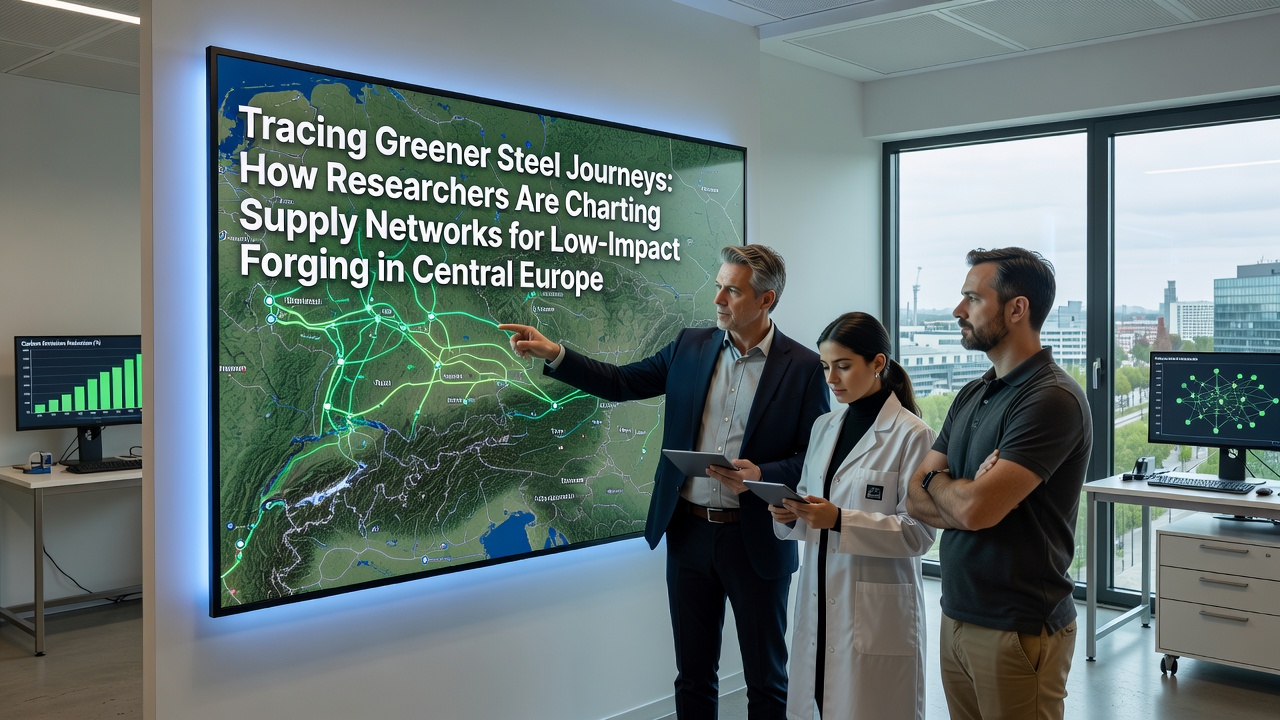
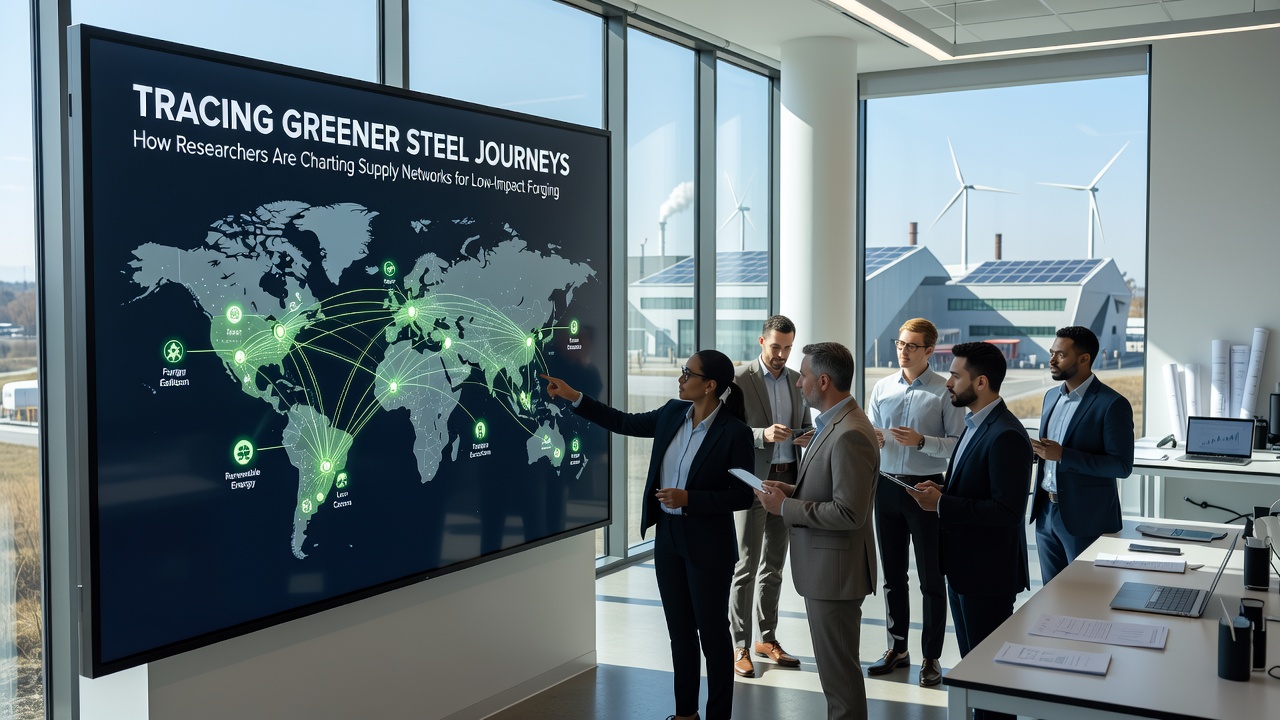
Steel production in Central Europe relies on complex supply chains that stretch from ore extraction sites through processing plants and into forging workshops, and researchers have begun systematic efforts to map these routes in detail so that lower-emission options become identifiable at every step. Data collection draws on satellite imagery, logistics records, and facility-level energy audits because the region hosts a dense cluster of automotive and machinery manufacturers that depend on forged components. Analysts combine these inputs into digital models that reveal where carbon-intensive segments can shift toward renewable power or recycled feedstock without disrupting delivery schedules.
Mapping Techniques and Data Sources
Teams at technical universities in Germany and Austria have refined tracing protocols that link material batches to specific energy mixes, and these protocols now incorporate real-time sensor feeds from rail and truck transport so that total emissions per forged ton can be calculated with greater precision. The approach integrates public datasets from national statistics offices with proprietary plant information under nondisclosure agreements, which allows patterns to emerge across borders. Observers note that such cross-border collaboration has accelerated since the European Green Deal targets took effect, because shared standards make it easier to compare results from different forging clusters.
One project in the Czech Republic aggregates electricity grid data with ore origin certificates, and the resulting visualizations show how switching a single supplier can cut upstream emissions by measurable percentages while maintaining the metallurgical properties required for high-strength forgings. Researchers apply machine-learning algorithms to flag anomalies in the datasets, such as unexpected spikes in transport emissions during seasonal demand surges, and these flags trigger further field verification. The models update continuously, which means planners receive current snapshots rather than static annual reports.
Regional Projects Underway
Facilities in Silesia and the Ruhr area participate in pilot programs that test blockchain-based traceability for alloy inputs, and early results indicate that verified low-carbon routes can command price premiums from downstream automotive buyers. In September 2026 a consortium based in Prague will present updated supply-chain maps that incorporate new rail electrification data from Poland and Hungary, extending coverage to additional forging sites. These presentations will include comparative figures showing emission reductions achieved when plants substitute natural gas with certified biomethane or direct electrical heating.
Industry associations coordinate with academic groups to standardize reporting formats, and this coordination reduces duplication while improving data quality across the network. Figures from the European Commission indicate that steel and forging together account for roughly 7 percent of industrial emissions in the EU, which underscores why detailed mapping receives sustained funding. Analysts cross-reference these aggregates with plant-specific records to isolate the contribution of forging operations versus upstream steelmaking.
Challenges in Implementation
Smaller forges often lack the digital infrastructure needed to feed granular data into the models, and researchers address this gap by developing simplified input templates that still capture essential variables such as furnace type and scrap ratio. Training programs run by regional technical institutes help operators collect consistent measurements, which improves model accuracy over successive iterations. Data privacy rules require anonymization layers before sensitive commercial information enters shared repositories, yet the resulting datasets retain enough resolution to guide investment decisions.
Transport bottlenecks create another variable because certain alloy grades travel long distances before reaching Central European forges, and researchers track these flows through port statistics and carrier manifests. Adjustments in sourcing can shorten some routes, and the models quantify both the emission savings and the potential cost implications for buyers. Coordination with logistics partners ensures that proposed changes remain operationally feasible within existing delivery windows.
Conclusion
Continued refinement of supply-network maps supports evidence-based decisions that lower teh environmental intensity of forging operations across Central Europe, and the September 2026 data release will provide a benchmark for measuring further progress. Integration of additional sensors and expanded coverage to neighboring countries will strengthen the reliability of these tools over time. The resulting transparency allows manufacturers and regulators to align production practices with established emission-reduction pathways while preserving the competitiveness of the regional forging sector.