Ellis Perry · 2 September 2026
Poland has begun testing low-emission forging techniques at a new facility in Silesia as part of efforts to advance sustainable manufacturing education. The site, developed through collaboration between academic institutions and industry partners, focuses on reducing carbon output in metal forming processes while training future engineers in environmentally responsible methods.
Facility Capabilities and Testing Protocols
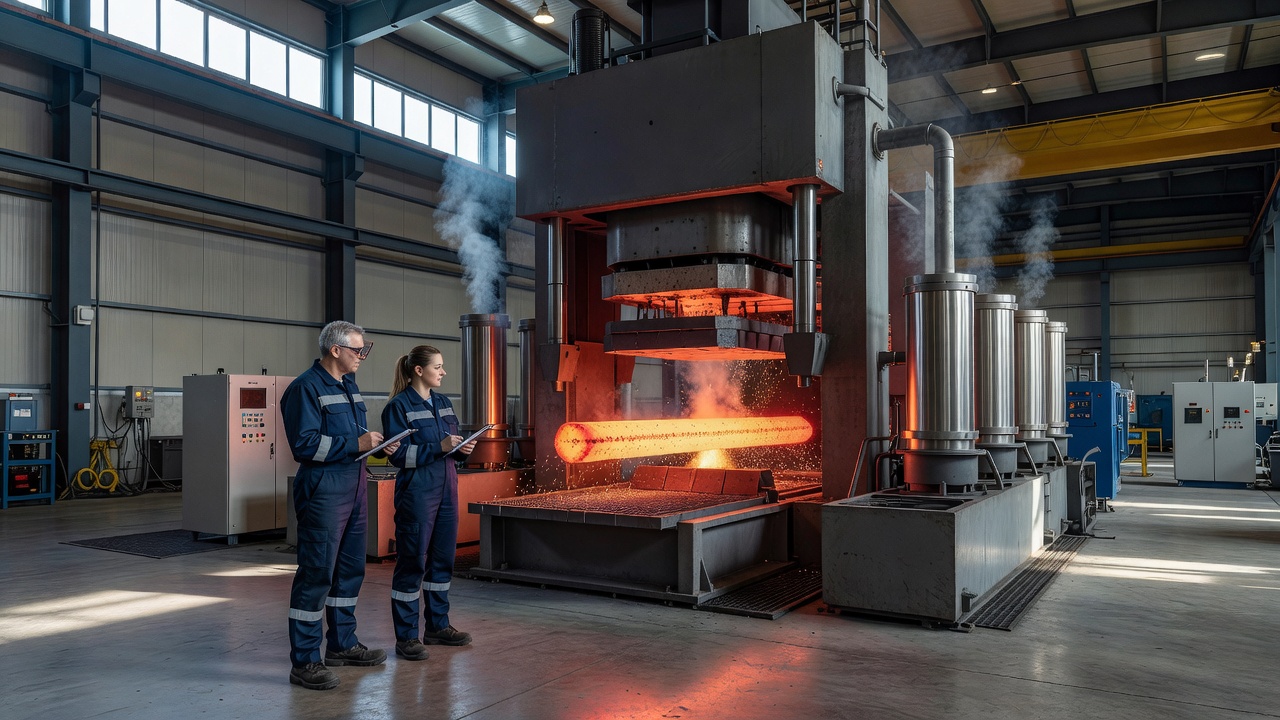
The Silesia center features electric induction heaters and hydrogen-ready furnaces designed to replace traditional coal-based systems. Initial trials involve forging automotive and aerospace components using recycled steel alloys under controlled atmospheres that minimize nitrogen oxide emissions. Researchers monitor energy consumption in real time, comparing results against conventional forging lines that rely on fossil fuels. Data collected will inform curriculum updates at partner universities, emphasizing process optimization and lifecycle analysis. Students participate directly in parameter adjustments, learning to balance mechanical properties with emission targets. Early results indicate a potential 40 percent reduction in direct greenhouse gases during heating stages when hydrogen blends reach 30 percent of fuel input.
Equipment includes precision presses rated at 2,000 tons and integrated heat recovery units that capture waste thermal energy for preheating stock material. Safety protocols address hydrogen handling, with sensors ensuring leak detection below regulatory thresholds. The facility operates under Poland's national decarbonization roadmap, aligning with European Union targets for heavy industry. Training modules cover sensor calibration, digital twin simulations, and regulatory compliance, preparing graduates for roles in green manufacturing sectors.
Broader Implications for Forging Education
Integration of these technologies into educational programs supports Poland's transition toward climate-neutral industry by 2050. Courses now incorporate case studies from the Silesia tests, teaching students to evaluate trade-offs between production speed, material strength, and environmental metrics. Partnerships with equipment manufacturers provide access to proprietary software for emission modeling. Long-term goals include scaling successful protocols to commercial forges and publishing open datasets for international research. The initiative also explores biomass-derived fuels as backup options during peak demand periods. By embedding sustainability metrics into core forging instruction, the program aims to equip the workforce with skills required for low-carbon supply chains across Europe.