Ellis Wagner · 2 September 2026
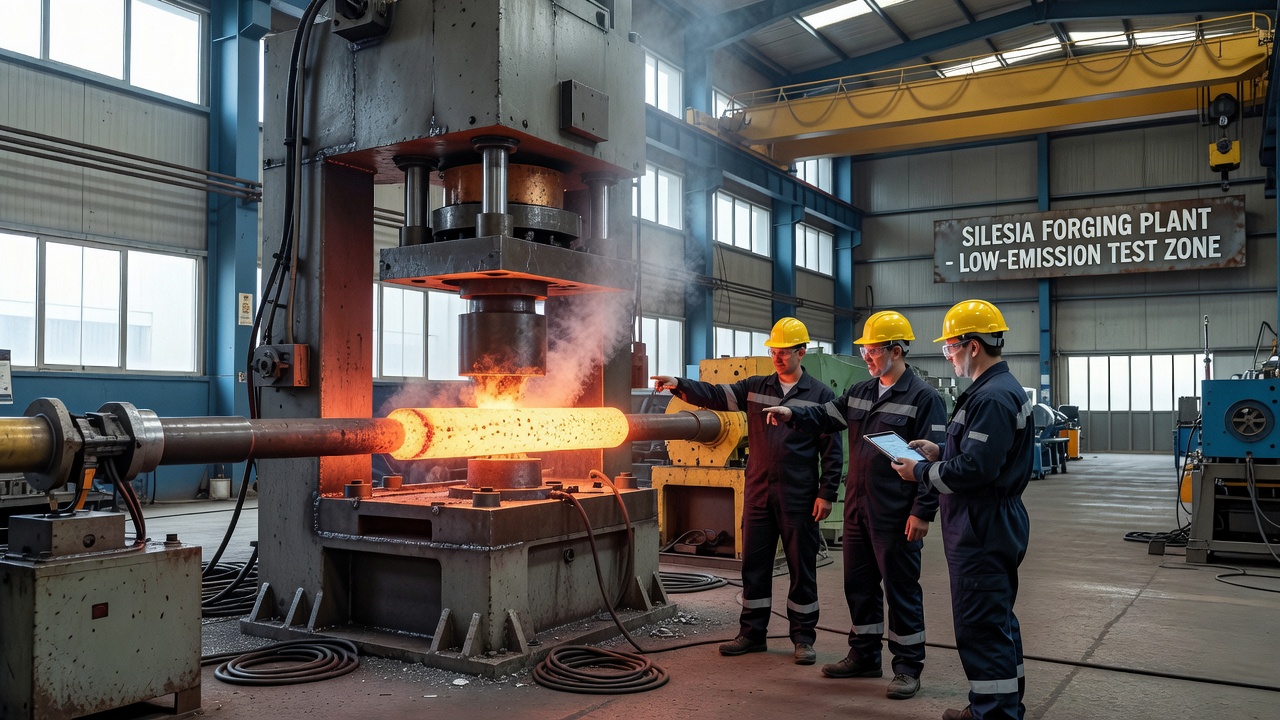
Poland has begun testing low-emission forging processes at a new facility in Silesia, marking a step toward sustainable industrial practices in the region. The site, developed in partnership with technical universities, focuses on reducing carbon output during metal forming operations while maintaining production standards. Researchers are evaluating electric and hydrogen-based heating systems as alternatives to traditional coal-fired furnaces.
Initial trials involve forging steel components for automotive and machinery sectors. Data collected will assess energy consumption, emission levels, and material quality. The project aligns with European Union targets for industrial decarbonization and supports educational programs training engineers in green manufacturing techniques.
Technology and Process Innovations
The Silesia facility employs induction heating combined with renewable electricity sources to lower direct emissions. Hydrogen blending experiments aim to further cut reliance on fossil fuels. Monitoring equipment tracks real-time performance metrics, enabling precise adjustments during forging cycles. University teams contribute to process optimization and safety protocols for these emerging methods.
Training modules integrated into the site allow students to observe and participate in controlled tests. Curriculum covers thermodynamics of low-emission heating, waste heat recovery systems, and lifecycle analysis of forged products. Early results indicate potential 40 percent reductions in greenhouse gases compared with conventional setups, though full-scale validation requires additional months of operation.
Broader Impact on Forging Education
Findings from the tests will feed into updated teaching resources across Polish technical institutions. Emphasis is placed on practical skills for operating advanced equipment and interpreting environmental data. Industry partners provide input on workforce needs, ensuring graduates are prepared for evolving regulatory landscapes.
Collaboration extends to international networks sharing best practices in sustainable metallurgy. The initiative positions Silesia as a hub for applied research that bridges academic study with industrial application. Ongoing monitoring will determine scalability and cost-effectiveness for wider adoption in Poland's forging sector.