Gisela Werner · 28 October 2026
Mapping Tools Drive Curriculum Evolution in Central European Metalworking Vocational Training
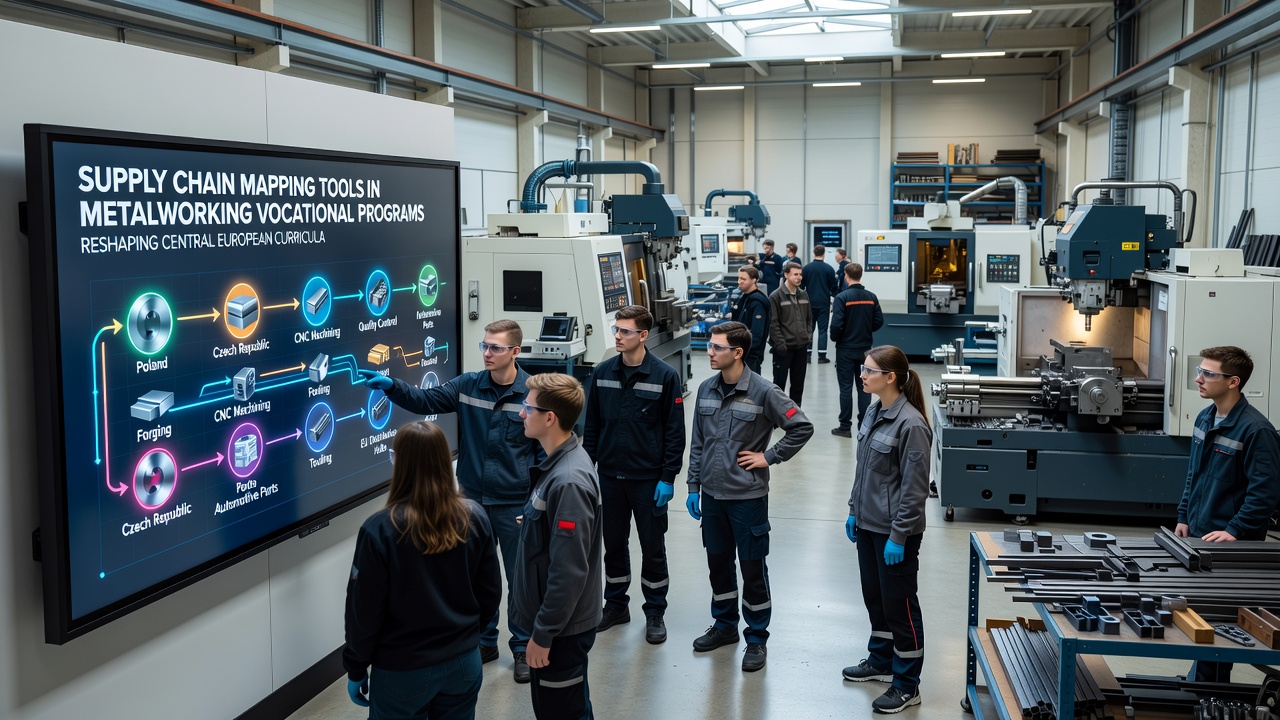
Supply chain mapping tools have entered vocational metalworking programs across Central Europe through targeted curriculum updates that emphasize digital tracking of raw materials and component flows. Institutions in Poland, the Czech Republic, Hungary, and Slovakia now embed platforms that visualize supplier networks, inventory routes, and compliance data directly into metal fabrication and machining courses. These additions align with broader European efforts to digitize technical education, where students learn to interpret layered maps that show material origins, processing stages, and delivery timelines in real time.
Integration Patterns Across Regional Programs
Vocational schools began incorporating mapping software modules in 2024, with full rollout scheduled for October 2026 in multiple districts. The European Centre for the Development of Vocational Training documented that over 120 metalworking programs added dedicated units on geospatial analysis and blockchain verification, replacing earlier standalone lessons on traditional metallurgy. Students now practice tracing steel coil shipments from Scandinavian mills through Polish processing plants, using interactive dashboards that highlight bottlenecks and alternative routing options.
Faculty teams collaborated with local manufacturers to build case libraries that reflect actual supply scenarios, allowing learners to simulate disruptions such as port delays or alloy shortages. This approach connects theoretical supply concepts to hands-on forging and welding exercises, where participants adjust production plans based on live map data.
Skill Shifts in Student Competencies
Programs report measurable changes in graduate profiles once mapping competencies enter the core curriculum. Data from the Czech Ministry of Education shows that 68 percent of metalworking graduates from updated programs now complete certifications in supply visualization tools before entering apprenticeships. These credentials cover platform navigation, risk assessment overlays, and sustainability scoring tied to material sourcing decisions.
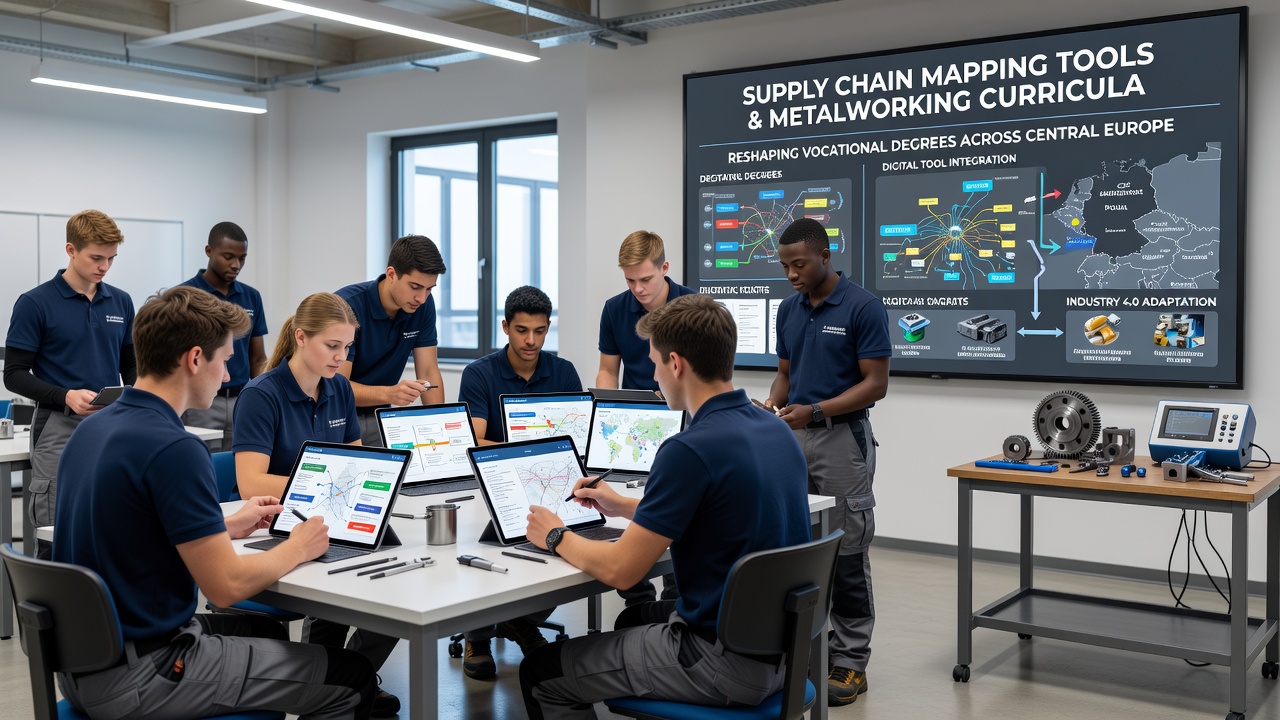
Traditional workshop time remains central, yet sessions now alternate between physical machinery and digital stations where students overlay logistics layers onto their project blueprints. One Hungarian training center recorded a 40 percent increase in project completion accuracy after students began referencing mapped supplier data during component selection phases. Similar patterns appear in Slovak facilities that integrated the same tools into CNC programming sequences.
Industry Partnerships and Resource Allocation
Manufacturers supply anonymized datasets that populate classroom mapping environments, ensuring exercises mirror current market conditions. The Hungarian Chamber of Commerce and Industry reported joint funding agreements that cover software licenses for 35 vocational centers, while Polish technical colleges received equipment grants tied to the same initiative. These partnerships extend to periodic reviews where industry representatives evaluate student outputs against operational benchmarks.
Training materials now include modules on regulatory alignment, covering EU traceability requirements and carbon accounting standards that appear as optional map filters. Students practice generating compliance reports that export directly from the visualization platforms, linking fabrication metrics to upstream supplier records.
Assessment and Certification Adjustments
Examination formats evolved alongside the software adoption. Practical evaluations require candidates to identify supply vulnerabilities within a simulated metal part order and propose adjustments using the mapping interface. Written components test understanding of data layers, including tariff zones, lead-time variables, and quality certification markers. Regional bodies standardized rubrics in early 2025, creating portable credentials recognized across participating Central European countries.
Observers note that these updates coincide with broader digitalization targets set by national education ministries, where metalworking tracks serve as pilot areas for technology infusion. October 2026 marks the deadline for full integration across listed programs, after which mapping proficiency becomes a baseline requirement for degree completion.
Conclusion
Central European vocational metalworking education continues to absorb supply chain mapping capabilities through structured curriculum revisions and industry-supported resources. The October 2026 milestone will consolidate these changes across multiple countries, producing graduates equipped to operate within digitally connected production environments. Ongoing data collection from partner institutions will track long-term effects on placement rates and skill alignment with manufacturing demands.